
Commercial UTVs · Fleet Vehicles · Property Mobility
Commercial vehicles built for the property and the work.
Explore Oreion utility vehicles, electric golf carts and open-air mobility for resorts, ranches, security patrol, campuses, private communities, hospitality and property-management fleets.
Commercial vehicle selection
Match the vehicle to the daily mission.
A resort shuttle, ranch utility vehicle, security patrol unit and campus people-mover do not have the same job. The right commercial vehicle begins with route length, passenger count, terrain, cargo, operating hours, charging or fuel access, weather exposure and local rules.
Oreion offers electric mobility and 4×4 utility platforms that can be evaluated individually or as a mixed fleet. Final equipment, capacity, service planning and permissible use must be confirmed for the specific model and market.
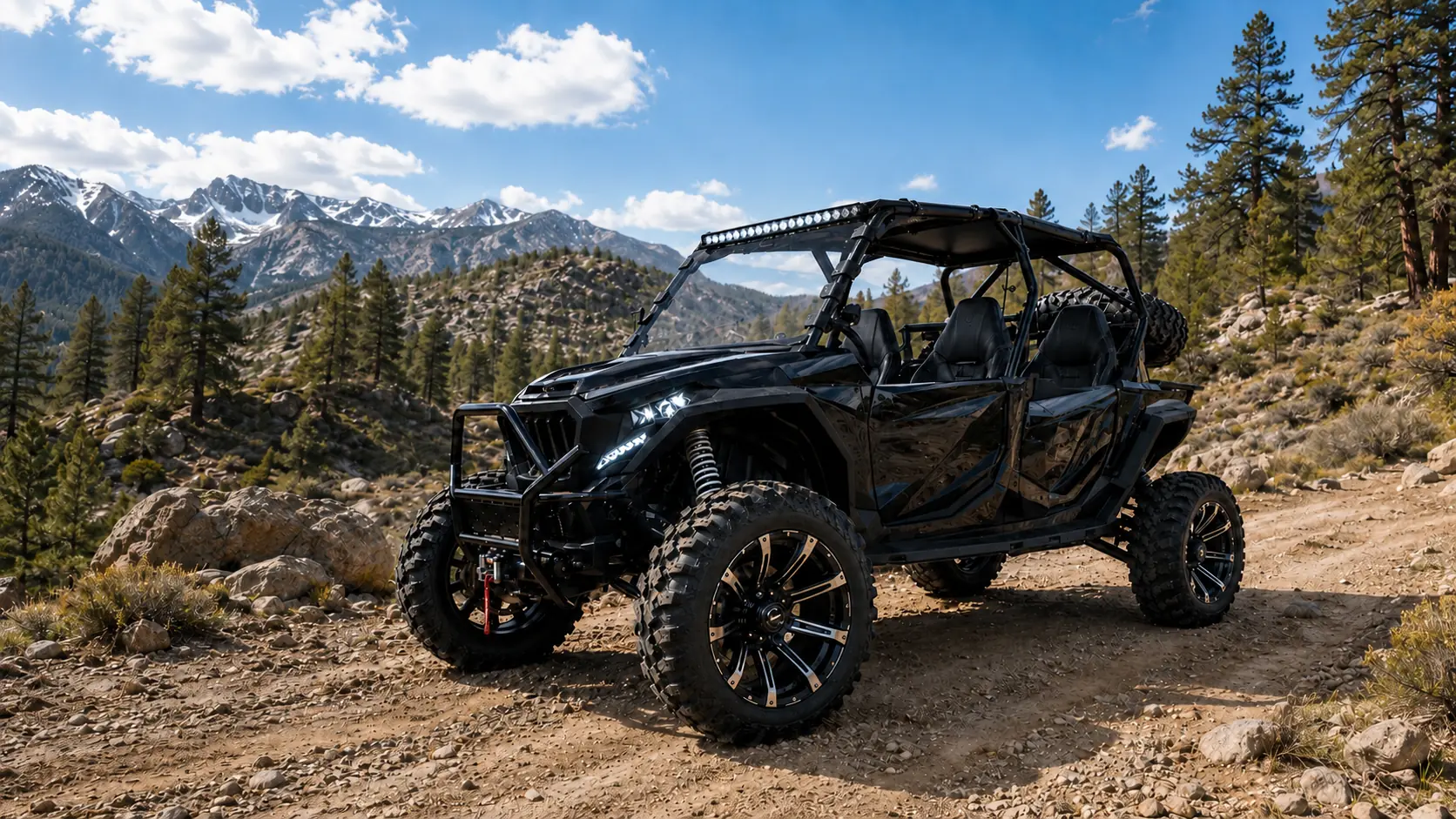
Commercial UTV use cases
One fleet can serve very different properties.
Evaluate the vehicle around the route, people, cargo and operating environment—not only appearance.
Resorts, hotels & guest mobility
Move guests, staff and light supplies across campuses, coastal properties, golf facilities and private destinations.
Ranches, farms & large properties
Evaluate 4×4 capability, passenger space, ground clearance and cargo needs for uneven routes and daily property work.
Patrol & site visibility
Support patrol routes, perimeter checks, events and property presence with a vehicle selected for the actual terrain and duty cycle.
Property & facility management
Move personnel, tools and light materials between buildings, maintenance areas, parking facilities and service routes.
Campuses & private communities
Plan quiet transportation for staff, residents, visitors and scheduled property operations.
Tourism & destination vehicles
Create a distinctive guest experience for islands, coastal routes, resorts and private-property excursions.
Commercial Oreion lineup
Electric mobility, 4×4 utility and open-air character.
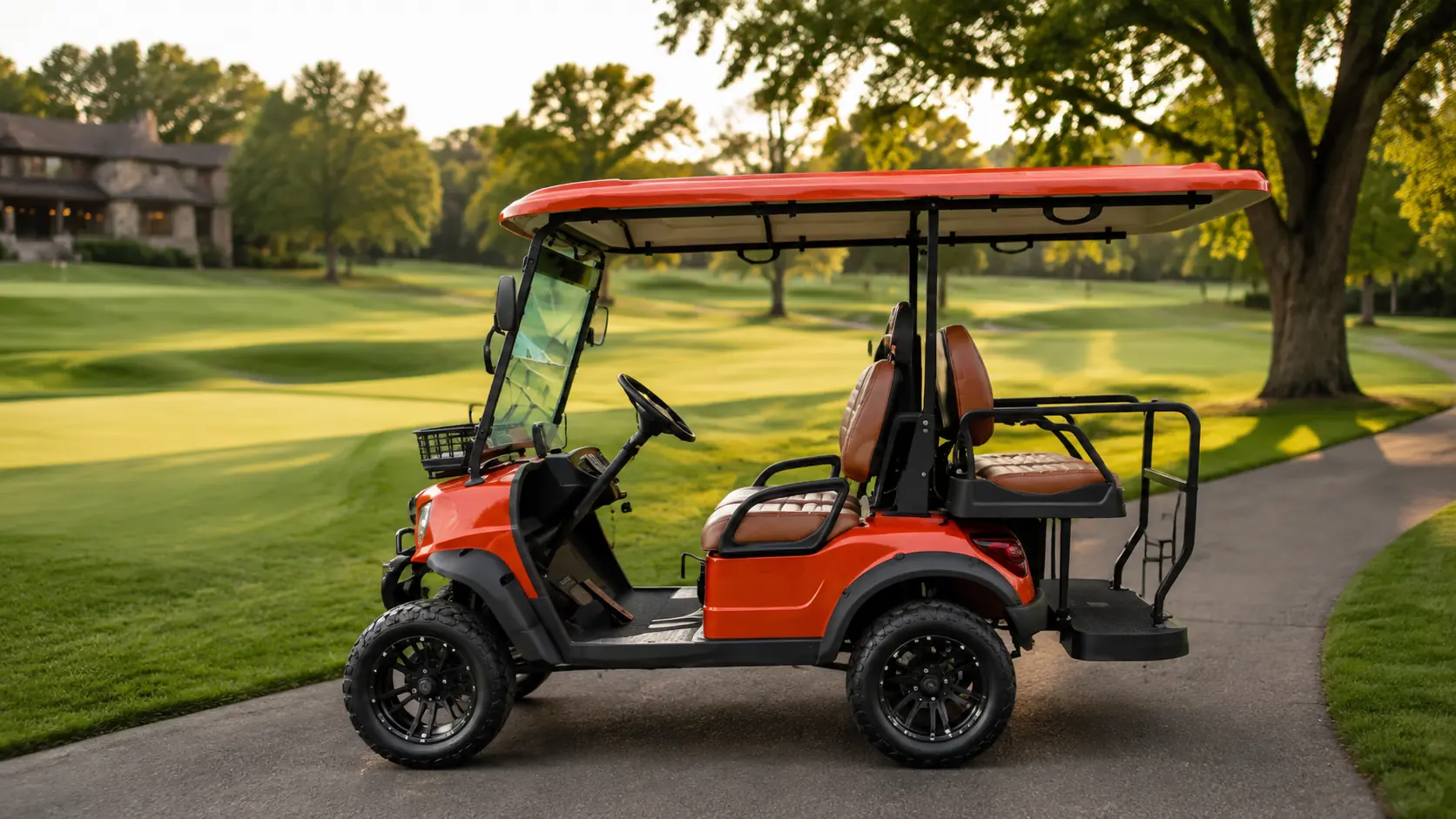
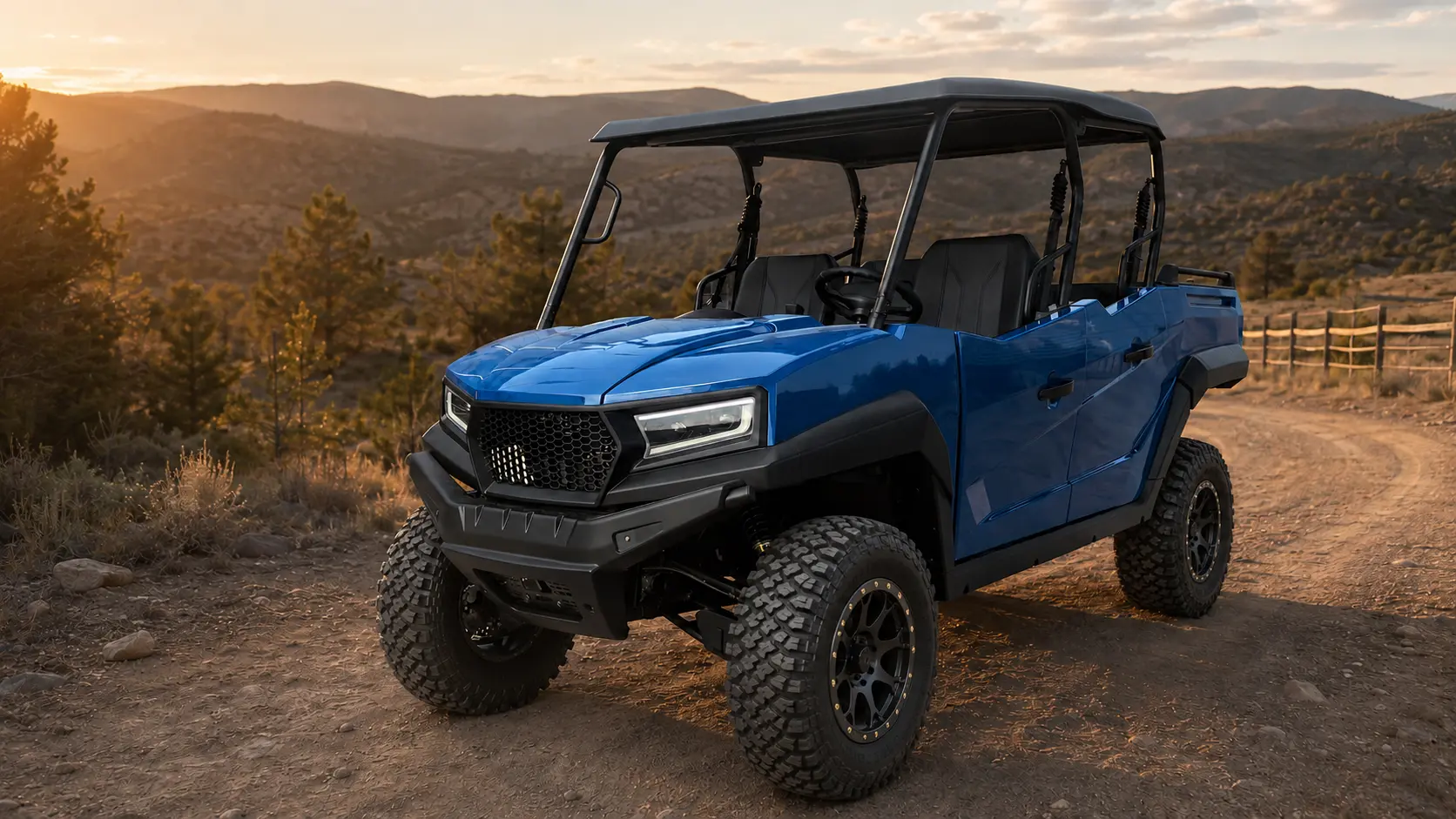
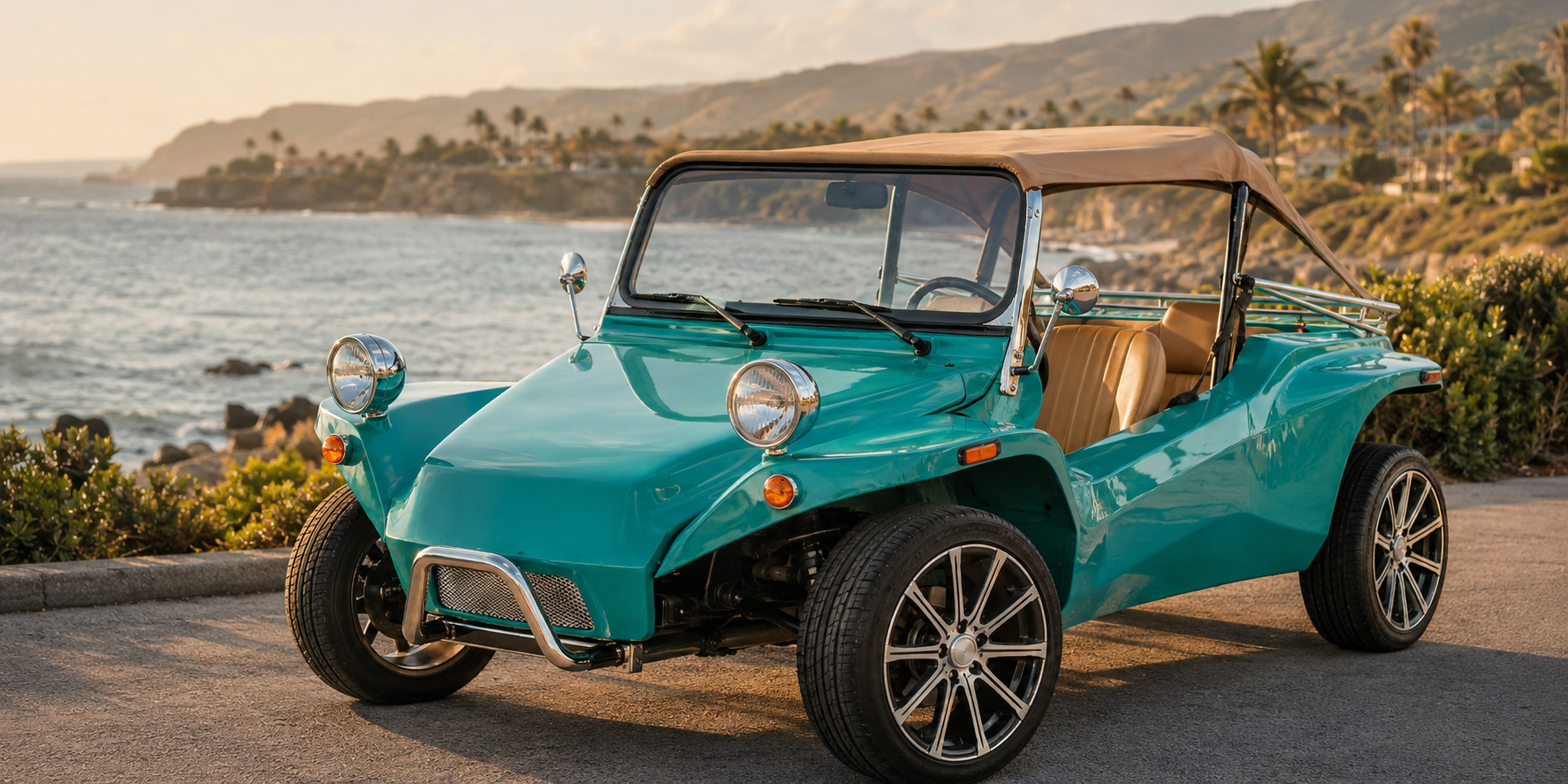
Vehicle pathways
Choose around passengers, terrain and duty cycle.
2–4 passenger electric
Compact mobility for golf facilities, maintenance teams, private communities, resorts and campuses.
4–6 passenger electric
Extended seating for guest transportation, scheduled routes and group movement.
Rover 800 4×4
Four-passenger utility for mixed terrain, larger properties and crew movement.
Trailwarden 1000
Four-door crew utility with a rear cargo bed for workdays and property operations.
Reeper family
Two- and four-seat 4×4 platforms for buyers seeking distinctive styling with off-road capability.
Beach Buggy
Open-air character for resort, island, coastal and destination programs where experience matters.
Commercial fleet planning
Build the fleet around real operating conditions.
Map the routes
Document distance, grades, surfaces, turning space, indoor or outdoor use and where vehicles will park or charge.
Define people & cargo
Confirm passenger count, operator needs, tools, supplies, luggage and any required cargo separation.
Choose power & capability
Evaluate electric or fuel-powered operation, 2WD or 4×4 capability, speed, range and duty cycle.
Confirm equipment
Review roofs, enclosures, seating, tires, wheels, racks, lighting and other available model-specific options.
Plan parts & service
Identify the responsible dealer or distributor, preventive maintenance, parts access, storage and operator procedures.
Verify local requirements
Confirm workplace rules, insurance, registration, licensing, road-use limits and operator responsibilities before deployment.
USA · Canada · International
Commercial mobility for global properties.
Oreion can discuss commercial vehicle needs with dealers, distributors, resorts, ranches, campuses, security operators and property-management organizations. Availability, specifications, pricing, parts, service and permissible use depend on the model, seller and country.
Commercial UTV questions
Select for the job—not the label.
Which Oreion vehicle is best for a resort?
Electric golf carts can suit quiet guest and staff transportation, while Rover, Reeper4 or Trailwarden models may fit uneven terrain or larger-property routes. The right choice depends on passengers, route, cargo, operating hours, climate and local rules.
Which Oreion UTV is suited to ranch or property work?
Rover 800 and Trailwarden 1000 are the most utility-focused starting points. Confirm terrain, passenger count, cargo needs, operating conditions, specifications and dealer support before selecting a model.
Can Oreion vehicles be used for security patrol?
Oreion vehicles can be evaluated for patrol routes and property visibility. The buyer must determine whether the specific vehicle, equipment, lighting, operator training and performance are appropriate for the security duty and jurisdiction.
Are roofs, enclosures, racks and other options available?
Options and accessories vary by model, production date and market. Confirm current availability, compatibility and installation requirements with an Oreion dealer before purchase.
Can a business purchase multiple Oreion vehicles?
Commercial and fleet requirements can be discussed with an authorized dealer or regional distributor. Availability, lead times, support and final commercial terms depend on the vehicles, quantity and market.
Are commercial Oreion UTVs street legal?
No universal street-legal claim applies. Registration, title, licensing, required equipment, emissions, insurance and public-road use rules vary by country, state, province and municipality.
Plan an Oreion commercial fleet
Start with the property. Then choose the vehicle.
Bring the route, passenger count, terrain, cargo, operating hours and market. An Oreion dealer or distributor can help identify the right starting point.
Commercial Suitability, Capacity and Street-Use Notice
Oreion Motors does not represent that every vehicle is suitable, certified, insured or street legal for every commercial task or jurisdiction. The buyer and operator must confirm that the selected model, capacity, equipment, duty cycle, maintenance plan and operating environment are appropriate for the intended use.
Do not exceed the published passenger, cargo, towing, speed, grade, range or operating limits applicable to the specific vehicle. Commercial operators are responsible for workplace safety, operator training, inspections, maintenance, insurance and compliance with property, industry and governmental requirements.
“Street legal” does not guarantee approval for public-road operation. Title, registration, licensing, required equipment, emissions, insurance and permissible use vary by country, state, province and municipality. Confirm current requirements with the appropriate authorities before purchase, deployment or operation.